
Technical SEO Services
Build a technically reliable website that search engines can efficiently discover, crawl, render and index while providing visitors with a faster and more stable experience.

TECHNICAL SEO
Build a Stronger Technical Foundation for Organic Search
Technical SEO is the process of optimizing a website's infrastructure and code to ensure search engines can efficiently crawl, index, and render its pages. While content and backlinks are critical ranking factors, technical SEO is the foundation that makes everything else work. Without proper technical optimization, even the best content and strongest backlinks will fail to deliver rankings because search engine crawlers cannot properly access, understand, or render your pages. Technical SEO covers a wide range of elements including site speed optimization, mobile-friendliness, crawl budget management, XML sitemap configuration, robots.txt optimization, canonical tag implementation, structured data markup, HTTPS security, international SEO (hreflang), JavaScript rendering, Core Web Vitals optimization, and faceted navigation handling.


Eliminate technical barriers that prevent search engines from crawling, indexing, and ranking your website effectively.
At Gripas Marketing, our technical SEO team includes developers and SEO engineers who understand both the marketing goals and the technical implementation details. We do not just identify problems; we provide detailed, developer-ready specifications for fixing them. Our technical SEO audits cover over 150 technical checkpoints, organized by priority and expected impact. We work directly with your development team to implement fixes, or we can implement them ourselves if you prefer a turnkey solution. Our technical SEO services have a direct, measurable impact on organic performance. Clients who implement our technical recommendations typically see a 40% improvement in crawl efficiency, a 60% reduction in page load times, and a 25% increase in indexed pages within the first month. These technical improvements create the conditions for all other SEO efforts, content and links alike, to deliver maximum impact.
4 Core Stages
Search Accessibility
Discovery, crawling, rendering and indexing are reviewed across important website pages.
3 Experience Metrics
Core Web Vitals
LCP, INP and CLS measure loading performance, responsiveness and visual stability
One Prioritised Roadmap
Technical Implementation
Issues are organised by severity, impact, affected templates, dependencies and implementation effort.
Key Benefits of Technical SEO
- Help search engines discover and access important website pages.
- Identify unexpected indexation and excluded-page problems.
- Improve XML sitemaps and crawler directives.
- Resolve conflicting or inaccurate canonical signals.
- Identify broken links, redirect chains and incorrect status codes.
- Improve site architecture and internal page discovery.
- Find orphan pages that are not connected to the website structure.
- Reduce unnecessary crawling of duplicate and parameter-based URLs.
- Improve mobile usability and responsive behaviour.
- Diagnose Core Web Vitals and page-performance problems.
- Identify JavaScript content or links that may not render correctly.
- Validate structured data against visible page information.
- Protect organic visibility during website redesigns and migrations.
- Give developers clear and prioritised implementation guidance.
- Connect technical improvements with measurable search and business outcomes.
- Establish ongoing monitoring for future technical regressions.
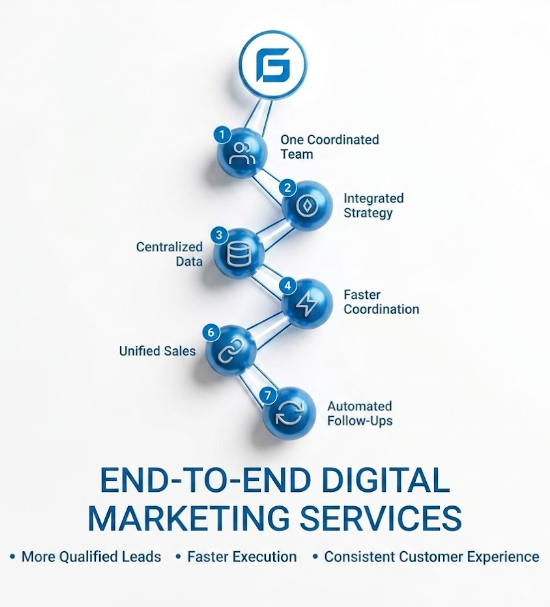
Clear process,focused execution, and growth that feels organized.
How Our Technical SEO Process Works
Our technical SEO process combines website crawling, indexation analysis, performance testing and implementation planning. Every stage is designed to identify technical barriers and give developers a clear roadmap for improving website health.
-
01
Technical Discovery
We review the website platform, architecture, analytics, Search Console information, recent development changes and known organic search concerns.
-
02
Crawl and Indexation Audit
We analyse crawl accessibility, indexation, robots directives, XML sitemaps, canonical tags, internal links, redirects and HTTP status codes.
-
03
Performance and Rendering Review
We evaluate Core Web Vitals, mobile behaviour, page resources, template performance and JavaScript rendering where these affect important content.
-
04
Prioritised Implementation
Issues are organised by severity, impact, affected templates, dependencies and effort, with clear recommendations for developers and website managers.
-
05
Validate and Monitor
We verify completed changes, monitor relevant crawl and indexation signals and document the next technical optimisation priorities.
FAQs
Questions Businesses Usually Ask Before Building a Digital Structure
We believe clarity builds trust. Here are answers to the most common questions we get.
What is technical SEO?
Technical SEO is the process of improving the website systems that affect search-engine discovery, crawling, rendering and indexation. It can include site architecture, robots directives, sitemaps, canonical tags, redirects, page performance, mobile usability, JavaScript and structured data.
What is included in a technical SEO service?
A typical engagement may include a technical audit, website crawl, indexation review, robots.txt analysis, XML sitemap review, canonicalisation, redirect testing, internal-link analysis, Core Web Vitals assessment and implementation guidance.
How is technical SEO different from on-page SEO?
Technical SEO focuses primarily on website infrastructure, accessibility, crawling, indexing, rendering and performance. On-page SEO focuses more on content, metadata, headings, internal links, images and page-level search intent.
Why is technical SEO important?
Search engines need to discover, access and process a page before the page can become eligible to appear in search results. Technical problems can prevent valuable pages from being crawled properly or can send conflicting signals about which URL should be indexed.
What is the difference between crawling and indexing?
Crawling occurs when a search-engine crawler accesses and processes a URL. Indexing occurs when a search engine evaluates and stores information about a page so that it may become eligible to appear in search results.
What is robots.txt?
A robots.txt file provides instructions about which website paths certain crawlers may request. Google advises using robots.txt to manage crawling, not as the primary method for preventing a page from being indexed