
On-Page SEO Services
Improve how search engines understand your pages and how visitors use them with strategic content, metadata, headings, internal links, image and structured data optimisation.

ON-PAGE SEO
Build Search-Optimised Pages That Inform, Rank and Convert
On-page SEO is the practice of optimizing individual web pages to improve their search engine rankings and drive more relevant organic traffic. It involves optimizing both the content and the HTML source code of a page, including title tags, meta descriptions, header tags, image alt attributes, internal linking structure, URL structure, and structured data markup. On-page SEO is the foundation of organic search performance because it communicates directly with search engine crawlers, telling them exactly what each page is about, how it relates to other pages on your site, and why it deserves to rank for specific search queries. At Gripas Marketing, our on-page SEO service goes beyond basic keyword placement. We optimize every element of your pages using data-driven insights from search intent analysis, competitor benchmarking, and user behavior metrics.

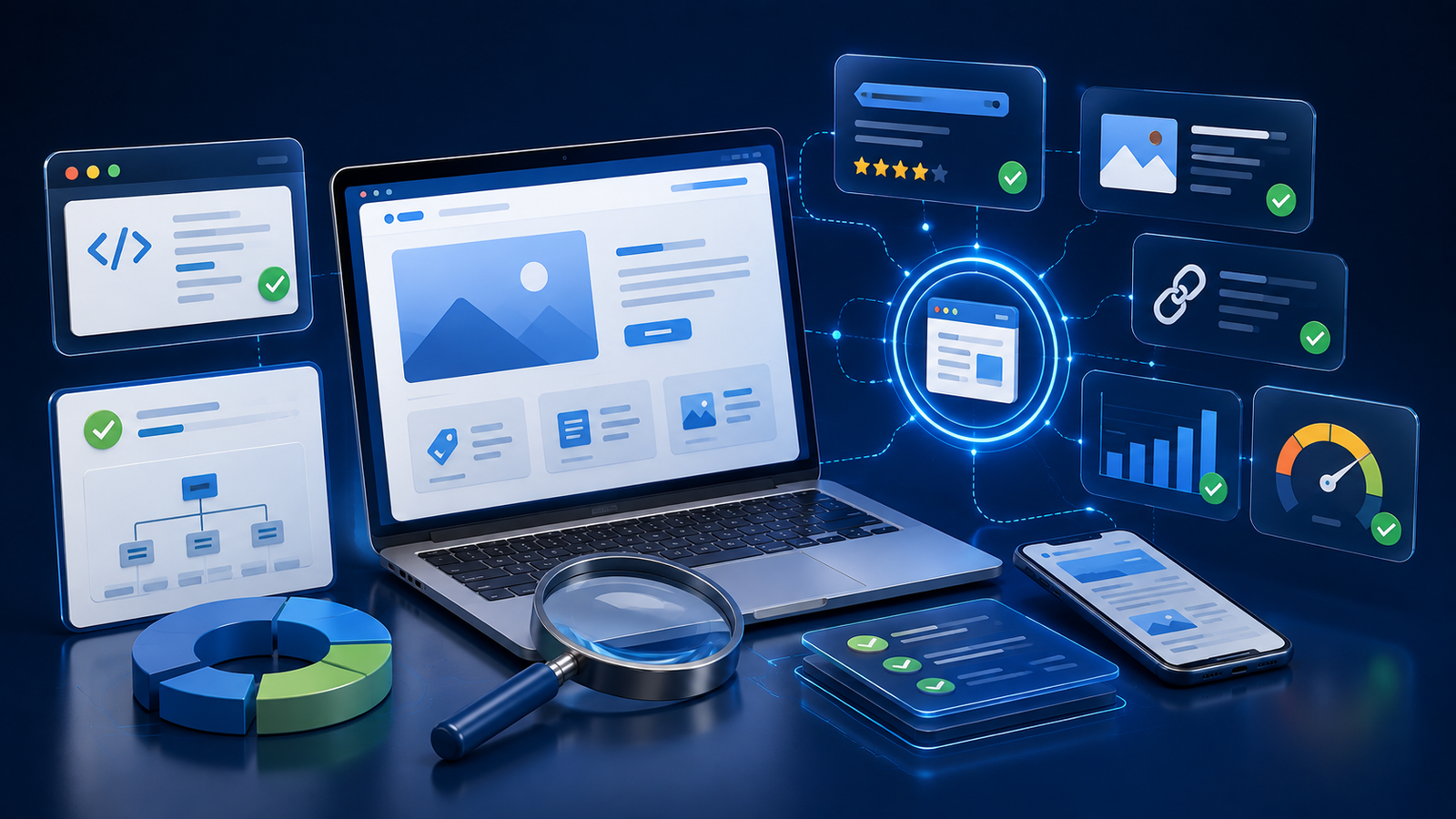
Every Page is Optimized to Rank, Convert, and Outperform Competitors
A webpage performs best when its topic, audience and intended outcome are clearly defined. Pages that mix several unrelated search intents, use repetitive content or provide only a shallow explanation can make it difficult for visitors and search engines to determine which questions the page is designed to answer.
Gripas Marketing begins by reviewing the purpose and current performance of each priority page. We examine its target queries, ranking position, search intent, content coverage, metadata, heading structure, internal links, images, calls to action and relationship with other pages. We also look for issues such as keyword cannibalisation, duplicated metadata, competing URLs, content gaps and weak conversion paths.
We then map relevant primary and supporting topics to the most appropriate pages. This helps establish a distinct purpose for every service page, location page, category page, product page or resource. Instead of forcing the same keyword onto multiple URLs, we create a clearer site structure in which each page supports a specific part of the customer journey.
Content is then improved for clarity, usefulness and topical coverage. Important questions are answered directly, headings are organised logically and supporting details are added where they help users make informed decisions. Keywords and related terms are incorporated naturally without creating repetitive or awkward copy.
We also optimise page titles, meta descriptions, links, image information and relevant structured data. Google advises using descriptive and concise title text, avoiding keyword stuffing, and giving different pages distinct titles rather than repeated boilerplate wording.
The result is a more coherent page that communicates its purpose clearly, supports organic discovery and guides visitors towards a useful next action
One Clear Purpose
Search Intent Alignment
Every priority page is mapped to a defined topic, audience need and customer journey stage.
Complete Page Review
Content and HTML Elements
Content, metadata, headings, links, images and structured data are reviewed as one connected system.
Ongoing Improvement
Performance-Led Optimisation
Search visibility, click-through activity, engagement and conversions guide future page updates.
Key Benefits
- Give every important webpage a clear topic and search purpose.
- Align content with the questions and decisions relevant to the target audience.
- Improve titles and descriptions used to influence organic search presentation.
- Create a logical heading structure that makes pages easier to scan.
- Reduce keyword cannibalisation between competing pages.
- Identify missing information and valuable supporting topics.
- Improve internal links between services, categories and helpful resources.
- Strengthen the relationship between informational and commercial content.
- Improve image accessibility, context and page performance.
- Add accurate structured data where it is relevant and supported.
- Connect organic visibility with useful calls to action and enquiries.
- Build a repeatable optimisation framework for existing and future pages.
- Support SEO, AEO and GEO visibility with concise answers and well-structured content.
- Receive documented recommendations and transparent reporting.
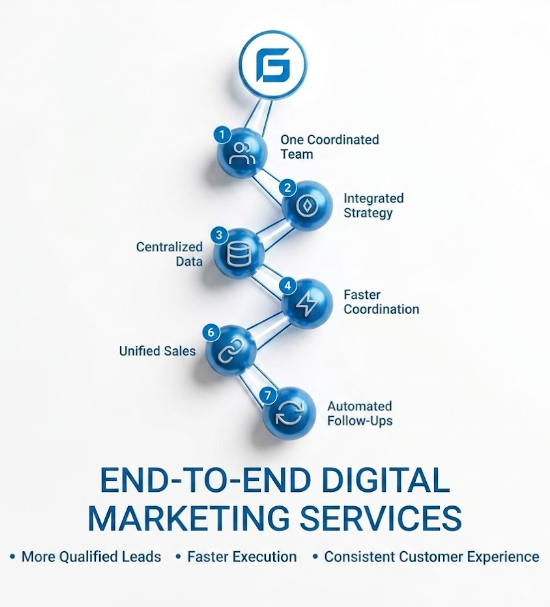
Clear process,focused execution, and growth that feels organized.
How Our On-Page SEO Process Works
Our on-page SEO process combines search intent analysis, keyword mapping, content improvement and page-level optimisation. Every stage is designed to give each important webpage a clear purpose and a stronger path from organic discovery to conversion.
-
01
Page and Content Audit
We review priority pages, organic performance, metadata, headings, content quality, internal links, images, calls to action and competing URLs.
-
02
Intent and Keyword Mapping
We assign relevant search themes to the most appropriate pages and identify content gaps, overlapping topics and keyword cannibalisation.
-
03
Content Optimisation
We improve introductions, headings, explanations, answers, supporting sections and calls to action while preserving a natural brand voice.
-
04
Page Element Implementation
We optimise page titles, meta descriptions, internal links, image information and relevant structured data recommendations.
-
05
Measure and Refine
We monitor visibility, search queries, clicks, engagement and conversions, then document the next page-level optimisation priorities.
FAQs
Questions Businesses Usually Ask Before Building a Digital Structure
We believe clarity builds trust. Here are answers to the most common questions we get.
What is on-page SEO?
On-page SEO is the process of improving the content, structure and HTML elements of an individual webpage. It can include search intent alignment, keyword mapping, titles, meta descriptions, headings, internal links, images, structured data and conversion elements.
What is included in an on-page SEO service ?
A typical engagement can include a page audit, search intent analysis, keyword-to-page mapping, content optimisation, title and meta description improvements, heading restructuring, internal linking, image recommendations and structured data guidance. The final scope depends on the website, number of priority pages and business goals.
How is on-page SEO different from technical SEO?
On-page SEO focuses mainly on the content and controllable elements of individual pages. Technical SEO focuses more heavily on crawling, indexing, rendering, site speed, mobile performance, canonicalisation, sitemaps and website infrastructure.
Does on-page SEO only involve adding keywords?
What is keyword cannibalisation?
Keyword cannibalisation occurs when several pages have substantially overlapping purposes and compete for similar searches. The solution may involve differentiating the pages, consolidating content, changing internal links or assigning each page a clearer search purpose.
Should every page have a unique H1?
Every important page should have a clear main heading that accurately communicates its primary topic to visitors. Supporting H2 and H3 headings should organise the content into logical sections without being used only to repeat keywords.