In 2026, conversion-focused PPC advertising can help Nepali businesses turn paid clicks into real, measurable revenue through smart targeting, optimisation, and data-driven strategies.
In today’s fast-paced digital world, businesses can no longer rely solely on organic marketing to reach their customers. Whether you run a retail shop in Kathmandu, a café in Pokhara, or an online store catering to Nepalese consumers, standing out online is crucial for success.
Pay-Per-Click (PPC) advertising offers a powerful solution. It allows you to place your brand directly in front of potential customers at the exact moment they are searching, scrolling, or browsing online.
PPC advertising is no longer just about clicks; it’s about conversions, revenue, and measurable results. In 2026, with Nepali consumers increasingly using smartphones, social media, and search engines to discover products and services, a well-executed PPC strategy can deliver instant visibility and tangible returns.
Let’s explore everything you need to know about conversion-focused PPC advertising, how it works, and how you can turn clicks into real revenue for your business.
Key Insights
- PPC advertising in 2026 is focused on revenue, not just clicks, helping Nepali businesses achieve measurable growth through conversions, leads, and sales.
- With Nepal’s rapidly growing online and mobile audience, PPC offers instant visibility by reaching customers exactly when they are searching, scrolling, or ready to take action.
- Successful PPC campaigns rely on strategy, including keyword research, compelling ad copy, optimised landing pages, smart budgeting, and precise audience targeting.
- Tracking the right metrics such as CTR, conversion rate, CPC, and ROAS is essential to understand performance, optimise campaigns, and maximise profitability.
- When managed correctly, PPC delivers strong returns for Nepali businesses, as shown by real client success stories achieving high ROAS in competitive industries like healthcare and education.
Table of Contents
What is PPC Advertising and How Does It Work?
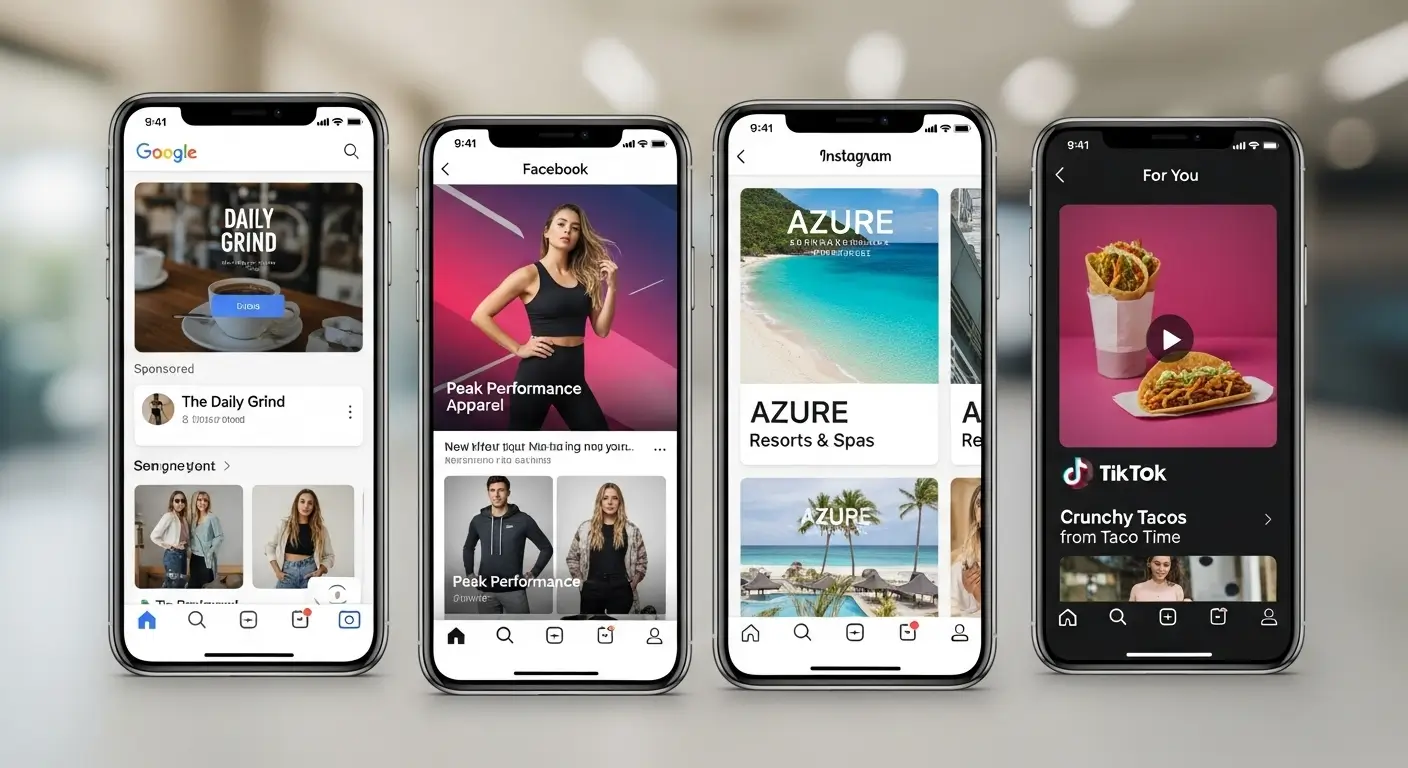
Pay-Per-Click (PPC) advertising is a form of online advertising where you pay only when someone interacts with your ad, typically by clicking it. These ads can appear on search engines like Google, social media platforms such as Facebook, Instagram, and TikTok, or on websites that participate in ad networks.
Unlike organic marketing methods, which can take months to build visibility, PPC offers immediate exposure. You can target your ideal audience based on demographics, location, interests, and behaviour.
In Nepal, this means you could specifically reach smartphone users in Kathmandu searching for clothing stores, cafés, or local services. The flexibility, speed, and measurability of PPC make it a critical tool for businesses that want fast, actionable results.
There are several types of PPC ads, including:
- Search Ads: Appear in Google results when people search for specific keywords.
- Display Ads: Visual banners on websites or apps.
- Social Media Ads: Shown in Facebook, Instagram, or TikTok feeds.
- Video Ads: Play before or during YouTube videos.
- Shopping Ads: Highlight products with images, prices, and links.
Each type serves a different purpose, and businesses in Nepal can choose the format that best aligns with their goals, whether it’s sales, lead generation, or brand awareness.
Why PPC is Essential for Nepali Businesses in 2026
Digital behaviour in Nepal is evolving rapidly. With over 16.5 million internet users and more than 14 million active social media users, customers are constantly online. They research, compare, and make decisions digitally before ever stepping into a store.
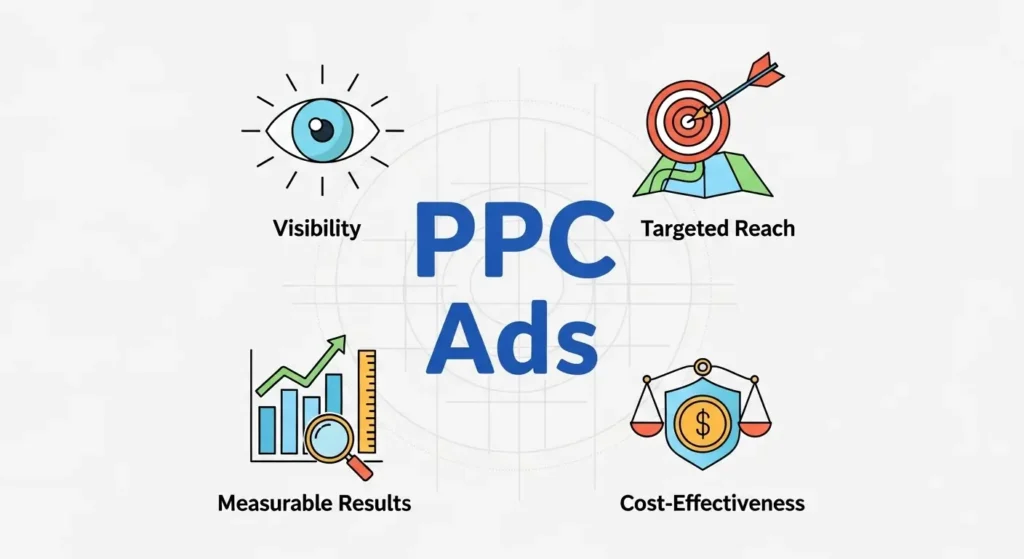
PPC advertising allows businesses to meet these customers at the right time:
- Immediate Visibility: Your ads appear instantly, unlike SEO or social media posts that take time to grow.
- Targeted Reach: Show your ads only to those most likely to be interested in your products or services.
- Measurable Results: Track every click, impression, and conversion to see exactly what works.
- Cost-Effectiveness: Flexible budgets mean even small businesses can compete with larger competitors.
In 2026, this combination of speed, precision, and measurable impact makes PPC a non-negotiable part of a growth-focused digital strategy in Nepal.
Ready to Turn Clicks into Profits
Get in touch with our team today to build a conversion-focused PPC campaign tailored for your business goals in 2026.
Key Components of a Results-Driven PPC Campaign
Creating a successful PPC campaign goes beyond simply paying for clicks. Here’s what businesses should focus on:
- Keyword Research & Targeting
Identify keywords that your potential customers are searching for. Use a mix of high-intent keywords like “best cafe in Kathmandu” and long-tail phrases such as “affordable restaurants near Thamel.” This ensures your ads reach people who are ready to take action. - Compelling Ad Copywriting
Write clear, persuasive ads that capture attention. Highlight unique selling points, offers, or promotions that encourage clicks. - Landing Page Optimisation
Ensure that every ad leads to a page designed to convert. This could be a product page, contact form, or booking page. Fast loading speed, mobile responsiveness, and simple navigation are crucial. - Bidding Strategies & Budget Management
Decide whether to use automated or manual bidding. Set daily or monthly budgets that align with your business goals while ensuring maximum ROI. - Audience Targeting
Focus on the right people using location-based targeting, demographics, interests, and behaviour. For example, target urban millennials interested in fitness, fashion, or food delivery. - Ad Extensions & Formats
Use sitelinks, call buttons, or promotional banners to make ads more engaging. Dynamic formats like video or carousel ads can increase engagement.
PPC Platforms & Emerging Trends in 2026
Nepalese businesses can choose from multiple PPC platforms depending on their audience:
- Google Ads: Search and display ads remain essential for reaching people actively looking for products and services.
- Meta Ads (Facebook & Instagram): Stories, Reels, and carousel ads allow interactive campaigns targeting specific audiences.
- TikTok Ads: Short-form, trend-driven videos help businesses reach younger audiences.
- YouTube Ads: Skippable and non-skippable in-stream ads for product launches or promotions.
- AI-Powered Tools: AI now assists in bidding, audience targeting, ad copy suggestions, and performance analysis.
In 2026, these platforms are increasingly integrated with automation and analytics, helping businesses optimise campaigns efficiently and scale results.
Measuring PPC Success
A PPC campaign is only valuable if it delivers clear and measurable results. Simply getting clicks is not enough; businesses need to understand what those clicks are doing and whether they are contributing to real business goals such as enquiries, bookings, or sales. This is why tracking the right performance metrics is essential.
Key PPC metrics to monitor include:
- CTR (Click-Through Rate):
This shows how many people clicked your ad after seeing it. A higher CTR usually means your ad copy, keywords, and targeting are relevant to your audience. Low CTR can indicate that your messaging or audience targeting needs improvement. - CPC (Cost-Per-Click):
CPC tells you how much you are paying for each click. Monitoring this helps you manage your budget effectively and identify whether your keywords or bidding strategy are cost-efficient. Lower CPC with strong performance means better value for your ad spend. - Conversion Rate:
This measures how many clicks turn into meaningful actions, such as filling out a form, making a purchase, or calling your business. A strong conversion rate indicates that your landing page, offer, and user experience are aligned with customer expectations. - ROAS (Return on Ad Spend):
ROAS shows how much revenue you earn for every rupee spent on ads. It is one of the most important indicators of profitability and helps determine whether your PPC campaigns are generating real business returns.
Regularly reviewing these metrics allows businesses to identify what is working and what needs adjustment. By refining targeting, improving ad creatives, and optimising landing pages based on data, PPC campaigns become more efficient over time and deliver stronger, more sustainable revenue growth.
Common PPC Challenges and How to Overcome Them
Even with a strong strategy, PPC campaigns can face hurdles:
- High Competition: Rising CPCs require smarter targeting and compelling ad copy.
- Ad Fatigue: Regularly refresh creatives and messaging to maintain engagement.
- Budget Wastage: Use negative keywords and precise targeting to avoid paying for irrelevant clicks.
- Algorithm Changes: Stay updated with platform policies and best practices to maintain performance.
Consistent monitoring, A/B testing, and strategic optimisation are key to overcoming these challenges.
Maximising Revenue from PPC
To truly turn clicks into revenue, businesses should integrate PPC with other digital efforts:
- Combine PPC with SEO and content marketing for a broader reach.
- Run retargeting campaigns to re-engage visitors who didn’t convert the first time.
- Capitalise on seasonal promotions and local events in Nepal.
- Leverage AI and automation for campaign optimisation and real-time reporting.
By focusing on conversions rather than just clicks, businesses can ensure that every rupee spent on PPC delivers measurable results.
Success Stories from Our Clients
PPC ads have consistently delivered measurable results to our clients.
Over the years, we have worked with businesses in different industries across Nepal and abroad, helping them turn paid ads into measurable growth and strong returns.
One of our clients, a healthcare service provider based in Kathmandu, wanted to increase patient enquiries for specialised services while controlling ad spend. Through carefully structured Google Search ads, local targeting, and continuous optimisation, the campaign focused on high-intent keywords and clear calls to action.
Within a few months, the client achieved an average ROAS of 5.2x, meaning every rupee spent on ads generated over five rupees in revenue, along with a steady increase in qualified patient bookings.
Another success story comes from an educational consultancy operating in Kathmandu, offering study-abroad and test preparation services. The challenge was standing out in a highly competitive market and attracting serious enquiries rather than just clicks.
By combining Google Ads and Meta Ads with audience segmentation and conversion-focused landing pages, the campaign delivered consistent leads at a lower cost. The result was an average ROAS of 6.1x, alongside improved lead quality and higher enrolment conversions.
When PPC campaigns are planned strategically and managed properly, businesses in Nepal can achieve strong returns and predictable growth through digital advertising.
How Your Nepali Business Can Get Started
Launching a PPC campaign in Nepal in 2026 requires careful planning:
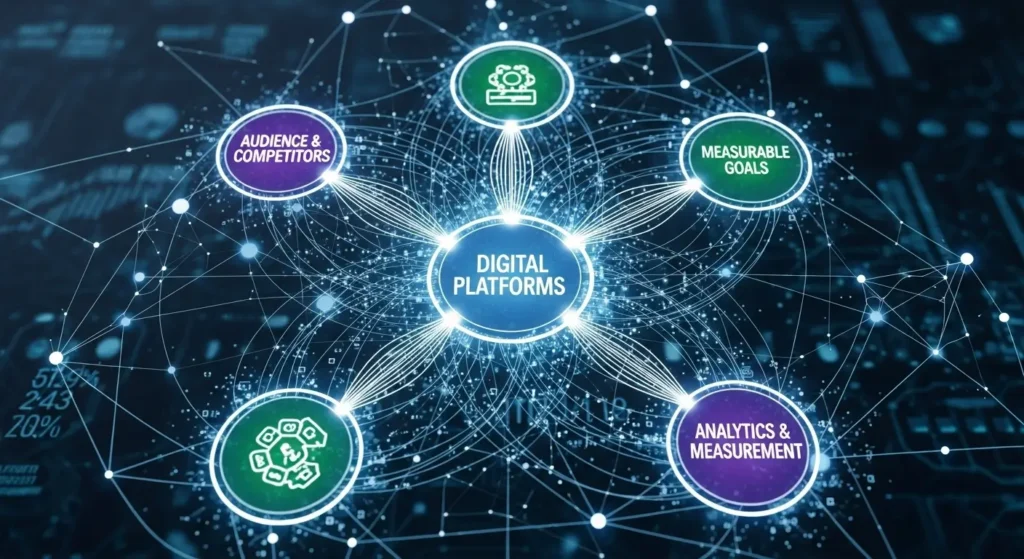
- Research your audience and competitors.
- Set measurable goals, whether it’s leads, sales, or brand visibility.
- Choose the right platforms and ad formats.
- Monitor campaigns closely, test, and optimise for performance.
For businesses looking for professional support, working with experienced agencies like Gripas Marketing can provide expert guidance, local market insights, and data-driven strategies to ensure campaigns deliver tangible results.
Get Started with PPC Advertisement Today
Let our team of digital ads experts help you launch and manage high-performing PPC campaigns that drive targeted traffic, increase conversions, and deliver measurable results for your business.
Conclusion
PPC advertising in 2026 is no longer just a marketing option; it’s a necessity for businesses looking to grow in Nepal. With the right strategy, targeting, and continuous optimisation, you can turn clicks into real revenue while reaching the right customers at the right time.
By understanding trends, focusing on high-impact platforms, and measuring performance, Nepalese businesses can achieve results that go far beyond simple visibility. PPC is not about guessing—it’s about making every ad count.
If you are ready to turn paid advertising into real, measurable revenue, now is the time to act. Tap into our expertise to get PPC right the first time, with strategies built on data, precision targeting, and continuous optimisation.
Get in touch today and let us help you transform clicks into consistent business growth.
Frequently Asked Questions (FAQs)
What is PPC advertising, and why should my business use it in 2026?
PPC is paid online advertising where you pay per click. It helps your business reach customers instantly and measure real results.
Which PPC platforms work best for Nepali businesses?
Google Ads, Meta Ads, TikTok Ads, and YouTube Ads are the most effective for local businesses. Choosing depends on your target audience and goals.
How much should I budget for PPC campaigns?
Start with a flexible budget that matches your business size and goals. Monitor results and adjust for maximum ROI.
Can PPC help small local businesses in Nepal?
Yes, PPC allows you to target local audiences precisely, increasing footfall and online orders.
How do I know if my PPC campaign is successful?
Track CTR, conversion rates, and ROAS regularly. Analytics help you optimise for better performance.
How often should I optimise my PPC campaigns?
Regularly review and adjust campaigns weekly or monthly. Test new ad formats, targeting, and keywords for the best results.
Should I hire a PPC agency or manage it myself?
You can manage PPC in-house, but agencies bring expertise, tools, and local market knowledge to maximise revenue and save time.